Which Destinations Are Better to Do Younger (and Why)
A practical list of trips that are easier, safer, and more enjoyable when you’re younger and physically stronger—plus how to plan them without burning out.
If you’re deciding what to prioritize while you’re younger, use this filter:
Do the trips now that combine high physical demand + altitude/exposure + long transfer days + weather windows.
You can still travel almost anywhere later in life. But some trips are much easier (and more fun) when your knees, back, sleep, and recovery are working in your favor.
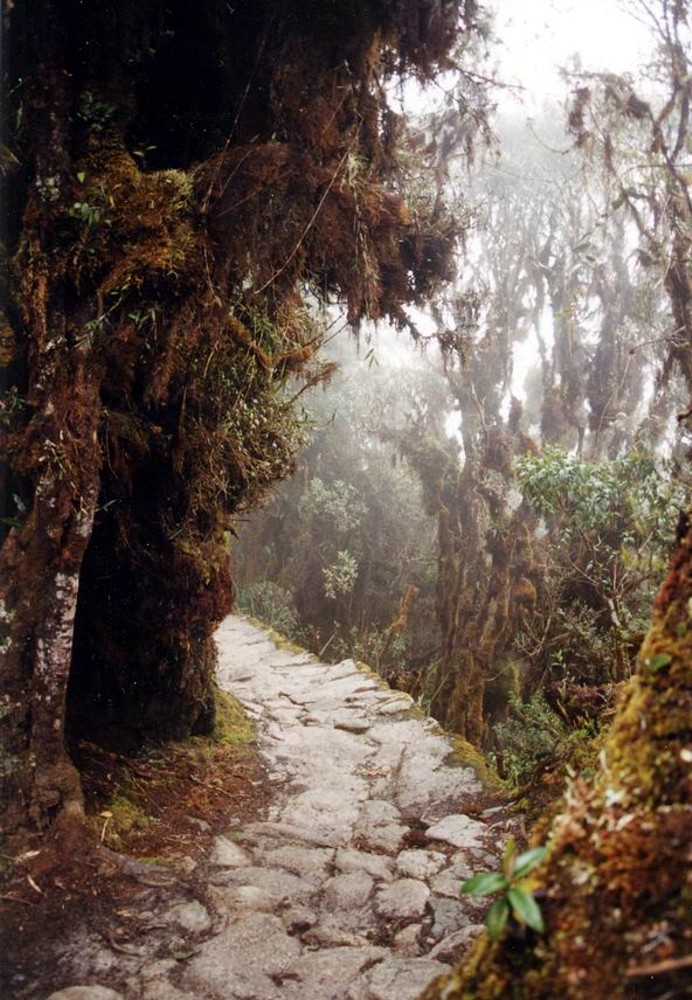
1) Inca Trail (Peru)
Why do it younger: consecutive days of uneven stairs, altitude stress, early starts, and limited comfort.
What catches people off guard: downhill sections can be harder than uphill on knees; nights can be cold even in “good” season.
Do this to make it worth it:
- Choose the classic route only if you can train for stairs and loaded day hikes.
- Arrive in Cusco 2–3 days early to acclimatize.
- Bring poles and actually use them on descents.
2) Patagonia hut-to-hut or multi-day trekking (Chile/Argentina)
Why do it younger: big wind, long distances, variable weather, and heavy layers/gear.
What catches people off guard: one bad weather day can force a full itinerary reshuffle.
Do this to make it worth it:
- Build buffer days into your route.
- Keep one “weather flex day” unbooked.
- Prioritize good shell layers over extra outfits.
3) Queenstown adventure week (New Zealand)
Why do it younger: it’s not one hard activity—it’s stacking many active days (hikes + adventure sports + long day tours).
What catches people off guard: people schedule every day at 100% and hit fatigue by day three.
Do this to make it worth it:
- Schedule alternating hard/easy days.
- Keep one day with no prepaid activity.
- If doing winter activities, budget for warm technical layers.
4) High-altitude Nepal routes (e.g., Everest or Annapurna regions)
Why do it younger: sustained multi-day effort at altitude with basic infrastructure and cold conditions.
What catches people off guard: altitude is the limiter, not motivation. Even fit travelers can struggle.
Do this to make it worth it:
- Ascend conservatively and respect acclimatization days.
- Buy evacuation/trip insurance that explicitly covers trekking altitude.
- Don’t plan tight flights immediately after trek completion.
5) Volcano + waterfall road-tripping in Iceland
Why do it younger: long driving days, changing weather, constant in-and-out activity, and slippery terrain.
What catches people off guard: “easy sightseeing” days can still mean 18k+ steps in wind/rain.
Do this to make it worth it:
- Cap drive times and avoid back-to-back 6+ hour days.
- Use microspikes in shoulder season where needed.
- Keep one recovery evening with a short local dinner plan.
A Simple Prioritization Rule
When comparing two dream trips, do the one first that scores higher on these four factors:
- Physical demand (stairs, uneven ground, distance)
- Altitude/weather stress
- Logistics fragility (strict permits, weather windows)
- Recovery penalty (how hard back-to-back days feel)
If one trip is mostly culture/food/museum-based, it can often wait. If one trip is body-intensive and weather-sensitive, move it up.
Don’t Confuse “Younger” with “Rush Everything”
The goal is not to speed-run hard trips. The goal is to do them at a time when:
- you recover faster,
- your risk tolerance and resilience are higher,
- and one rough day won’t ruin the whole trip.
Plan smart and keep margin. That’s what makes these trips memorable instead of miserable.
If Queenstown is on your shortlist, use this destination page for practical planning: Queenstown destination guide
Photo credits
- Incatrail in Peru by Sustainable sanitation via Wikimedia Commons (Public Domain): https://commons.wikimedia.org/wiki/File:Incatrail_in_Peru.jpg
