Returning to the U.S. from Japan with Lots of Souvenirs: What to Declare (and What CBP Actually Cares About)
A practical U.S. re-entry guide for Japan shoppers: duty math, declaration strategy, receipts, and how to avoid avoidable customs stress.
A high-signal Reddit thread this week asked whether a traveler did something wrong by declaring about $4,000 in goods after a month in Japan.
Short version: declaring high-value goods is usually the right move. But large quantities of new items can trigger extra scrutiny, especially if an officer suspects resale intent.

What travelers get wrong about the “$800 rule”
Many people think: “There’s no limit, I just pay some tax over $800.”
That’s close, but incomplete.
CBP officers still evaluate:
- whether items look like personal use / gifts or commercial resale
- whether quantities are reasonable for a traveler
- whether any purchases fall into restricted categories (food/agriculture, counterfeit goods, etc.)
So yes, you can bring back a lot. And yes, you can still be questioned if the bag profile looks unusual.
U.S. re-entry baseline for Japan shopping hauls
For most returning U.S. residents:
- $800 is a common personal exemption threshold
- Above that, duty may apply depending on category and value
- Duty treatment is not one flat rate across all items
The safest practical rule: if you bought a lot, declare clearly and keep your paperwork organized.
15-minute pre-landing checklist (actually useful)
Before your U.S.-bound flight starts boarding:
- Make one phone note with your total declared value in USD
- Add a category split (e.g., clothes, skincare, snacks, collectibles)
- Save receipts in one folder (photos/screenshots are fine)
- Keep high-value items easy to access in luggage
- Separate food items so you can identify them quickly
This is what prevents stressful, rambling conversations at inspection.
Good declaration script (30 seconds)
Use straightforward language:
“I’m declaring about $4,000 in purchases from Japan. Mostly clothing, skincare, snacks, and gifts. Highest single item was around $230. These are personal/gift items, not resale. I have receipts if you want to see them.”
Why it works: concise total, category context, and readiness to verify.
Red flags that usually increase inspection time
- many identical new items in unopened packaging
- vague “I don’t know, maybe around…” values
- no receipts for expensive items
- undeclared food/agriculture products
- conflicting answers between travelers in the same party
None of these guarantees penalties, but all of them increase friction.
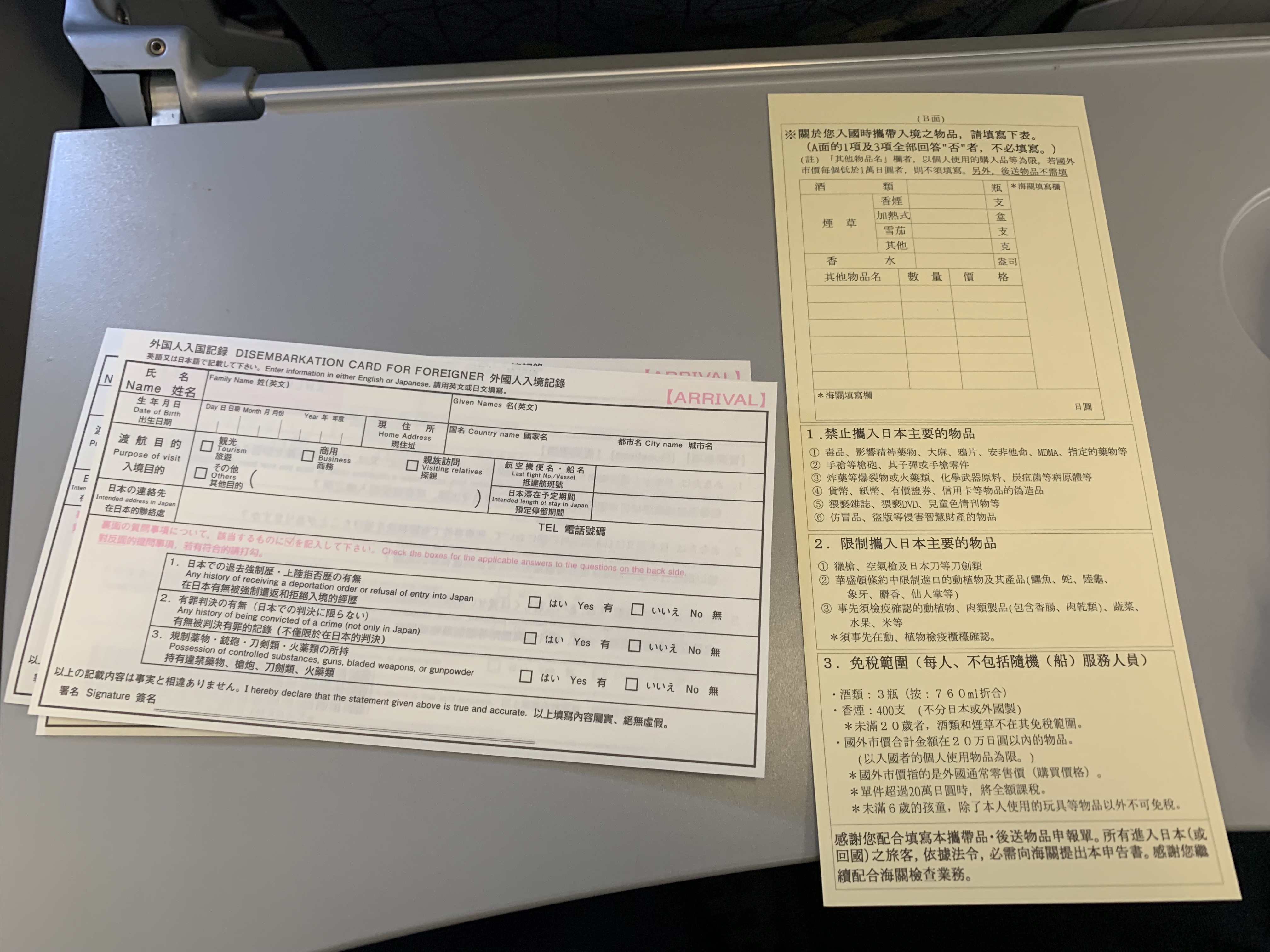
Shopping categories from Japan that deserve extra care
- Food/snacks: always declare food items
- Beauty/cosmetics: keep products in original packaging if possible
- Collectibles/toys/TCG: high quantities can look commercial fast
- Luxury goods (bags/watches): keep proof of purchase and authenticity records
What happens if CBP thinks your haul looks commercial?
It usually means more questions and sometimes secondary inspection. That doesn’t automatically mean you did anything wrong.
If your haul is truly personal/gifts:
- state that clearly and consistently
- show category totals and receipts quickly
- explain any high-quantity category (e.g., “10 skincare items are gifts for family”)
Your goal is to make the pattern understandable in under a minute.

If you’re close to the line, optimize for clarity (not secrecy)
Trying to hide purchases or under-report values is where trips go off the rails.
If you want a smoother process:
- be proactive and declare accurately
- keep totals internally consistent
- make it obvious your purchases are coherent and personal
That approach is usually faster than trying to “say less and hope.”
Bottom line
For big Japan shopping trips, the winning play is simple:
- declare honestly
- show organized totals
- carry receipt evidence
- answer directly and briefly
You can’t force a zero-question entry every time, but you can dramatically reduce avoidable problems.
Related destination context:
Photo credits
-
“202309 International Arrival Mezzanine at Haneda Airport T2” by MNXANL via Wikimedia Commons (CC BY-SA 4.0)
-
“2019 disembarkation cards and customs declarations of Japan” by Nomad112 via Wikimedia Commons (CC BY-SA 4.0)
-
“Tokyo Station Marunouchi North Entrance 2016” by 掬茶 via Wikimedia Commons (CC BY-SA 4.0)


Demand source: r/travel — “Customs officer implied I bought too much… Who was right?”