Tokyo
A first-solo-friendly mega-city with safe, efficient transit and practical neighborhood pacing for a low-stress Japan trip.
🗓 Best time to visit: March–May and October–November for mild weather and long walking days
Overview
Tokyo is one of the easiest major cities in the world for a first solo trip: safe streets, dense transit, and lots of low-pressure ways to structure your day.
The key is not trying to “complete Tokyo.” Treat it as neighborhood blocks and keep your plan simple.

Why Tokyo works especially well for solo first-timers
- Transit reliability: train times are consistent and route apps are accurate.
- Solo dining culture: counters and single-seat setups are normal.
- High convenience density: convenience stores, lockers, pharmacies, and clean stations everywhere.
- Flexible pacing: you can do shrine-and-park days or high-energy city days without changing hotels.
5-day low-stress Tokyo framework
Day 1: Arrival + reset
- Hotel check-in
- 45–90 minute neighborhood walk
- Early, simple dinner near hotel
Day 2: Shibuya + Harajuku
- Meiji Jingu in the morning
- Shibuya crossing + one viewpoint
- Back before late-night transport stress
Day 3: Asakusa + Ueno
- Senso-ji and Nakamise early
- Ueno Park / museum block in afternoon
Day 4: Flexible buffer day
Pick one:
- TeamLab
- Akihabara
- Kamakura day trip
Day 5: Light close-out
- Last shopping and easy lunch
- Early airport transfer buffer
Neighborhoods worth prioritizing
- Asakusa: old Tokyo atmosphere, easier pace, good first orientation
- Shinjuku: best all-around transit hub and food options
- Shibuya: high-energy core with easy landmarks
- Ueno: practical base for museums + airport access
- Kichijoji: quieter, local vibe and park time
If this is your first solo trip ever, pick a hotel within 8–10 minutes of a major station over aesthetic preferences.
Transportation (what actually matters)
- Get a Suica/PASMO card (mobile is easiest).
- Save both airport routes before landing:
- Narita: Narita Express or Keisei Skyliner
- Haneda: Keikyu or Monorail + JR
- Avoid weekday peak crush when possible (roughly 7:30–9:30 and 17:30–19:30).
- If staying out late, know your last train or budget for taxi.
Best base for 7 AM arrivals (pick by airport)
If your biggest stress is the check-in gap, choose your first 2 nights based on arrival friction, not vibes:
- Haneda arrivals: Asakusa / Ueno / Higashi-Ginza zones are usually smooth and predictable for early transit.
- Narita arrivals: Ueno and Tokyo Station area are strong first bases because airport transfer and onward movement are simple.
- Very light sleepers: avoid hotels directly over major rail tracks for Night 1.
This one decision can save 2–3 hours of confused movement on day one.

Early-arrival reality: what to do before 3 PM check-in
A recurring Reddit pain point is landing in Tokyo at 6:00–8:00 AM and feeling stranded until afternoon check-in.
Use this exact order:
- Drop luggage at hotel desk (or station lockers if needed)
- Eat a real breakfast near your base
- Do one short morning block (Asakusa, Ueno, Marunouchi, or Meiji Jingu outer grounds)
- Reset at a cafe/park before check-in
- Shower + short nap after room access

Fast timeline that works for most arrivals:
- 07:00–08:00: land
- 09:00-ish: reach hotel area and offload bags
- 10:00–12:30: one low-effort neighborhood block
- 12:30–14:00: lunch + sit-down reset
- 15:00: check in, shower, short nap
Why this works: it cuts decision fatigue, prevents luggage drag, and protects your first evening from jet-lag collapse.
Food strategy for solo travelers
- Breakfast: convenience store + coffee chain = fast and cheap
- Lunch: teishoku (set meals) for value
- Dinner: ramen/udon/yakitori counters when tired
- Rule: if undecided for 20 minutes, enter the next busy local spot
Reliable low-friction chains: Matsuya, Sukiya, CoCo Ichibanya, Hanamaru Udon.
Tokyo grocery tourism: where locals actually shop
If part of your trip is supermarket browsing, Tokyo gives you three very different experiences:
- Everyday chains (Life, Seiyu, Maruetsu): best value for ready-made meals and practical snacks.
- Depachika food halls (Isetan, Mitsukoshi, Takashimaya): premium prepared food and gift sweets.
- Convenience stores: excellent backup, but usually not the cheapest place to stock up.
Practical strategy:
- Do one full supermarket run near your hotel on Day 1 or 2.
- Use convenience stores only for top-ups.
- Save one depachika visit for a single splurge meal, not daily shopping.

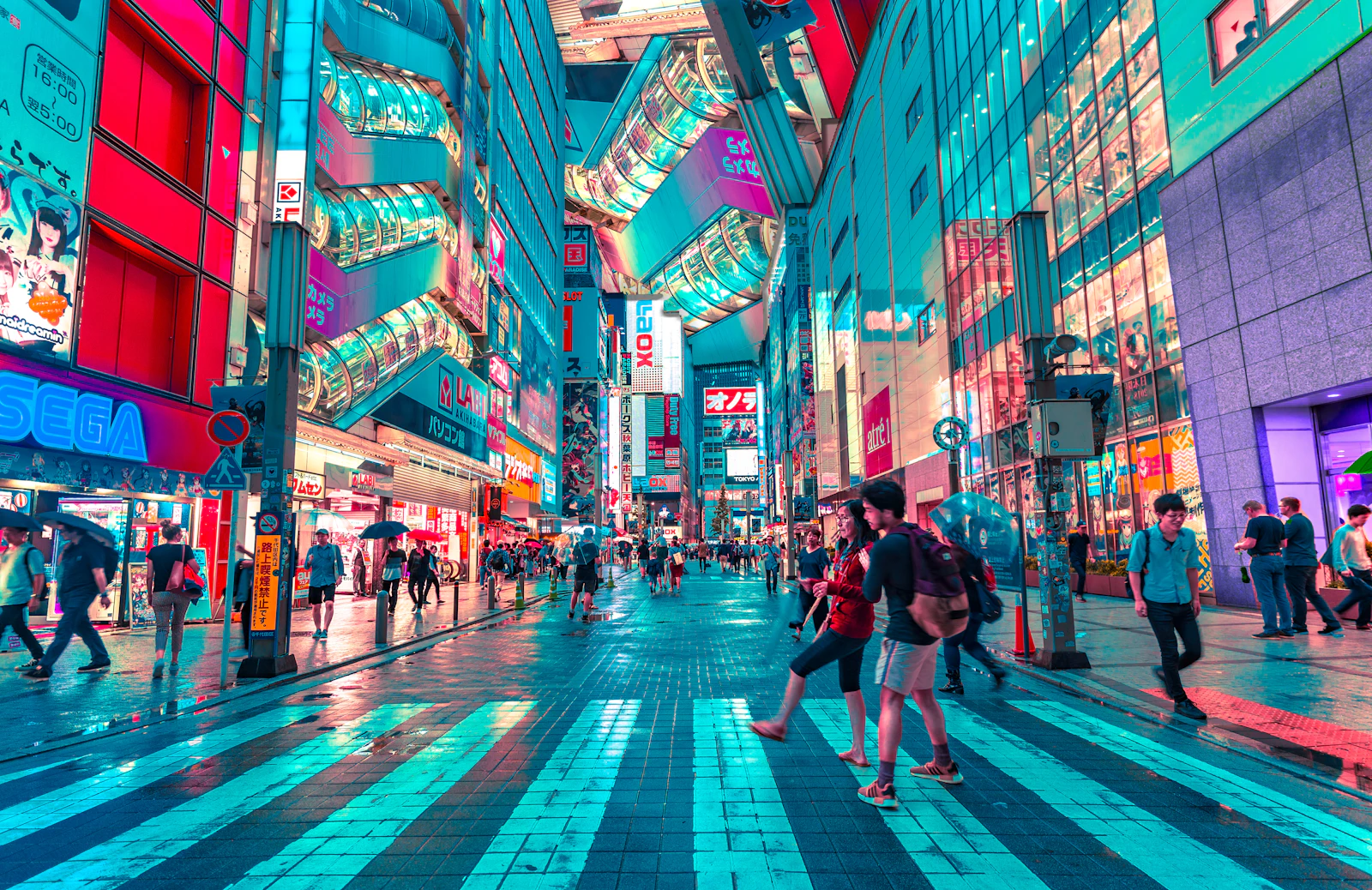
After-dark plan for solo travelers (without burnout)
One of the biggest Reddit concerns is: “What do I do after the sun goes down if I’m solo?”
Use this low-friction evening structure:
- 18:00–19:30: early dinner near a station area (Shinjuku, Ueno, or Asakusa)
- 19:30–20:30: one clear activity (city viewpoint, lit-up temple grounds, department store food hall)
- 20:30–21:15: calm close-out (coffee, convenience store restock, short walk)
- Before 22:00: transit back before last-train anxiety
Good solo-safe evening options:
- Tokyo Metropolitan Government Building observatory (free)
- Senso-ji area lit up after dark
- Omoide Yokocho or Memory Lane for one short food stop
- Ginza/Marunouchi walk for low-stress city lights
Budget expectations
- Shoestring: ¥9,000–13,000/day
- Moderate: ¥16,000–28,000/day
- Comfort: ¥30,000+/day
Common budget leaks:
- repeated taxis
- too many paid attractions in one day
- booking premium locations last minute
First 24 hours template (anti-overwhelm)
- Airport to hotel
- Short local walk only
- Early dinner
- Buy next-morning basics (water/snacks)
- Sleep
This one-day strategy prevents many first-trip spirals.
Souvenir shopping without customs headaches
Tokyo is one of the easiest places to accidentally overspend on “small” items that add up fast (stationery, skincare, knives, denim, capsule toys, snacks).
If you’re flying back to the U.S., do this before airport day:
- total your shopping in USD
- keep high-value receipts in one folder
- separate food items from non-food items in your bag
- avoid packing large quantities of identical products unless you can clearly explain personal/gift use
The practical goal is not staying under a magic number at all costs; it is accurate declaration with clean documentation.
24-hour pre-flight re-entry checklist (U.S.-bound)
- make one clean note with your total purchase value
- list categories (e.g., clothing, snacks, cosmetics, collectibles)
- keep receipts/screenshots ready on your phone
- pack expensive items where you can show them quickly if asked
- be ready to explain that items are for personal use/gifts, not resale
This keeps airport stress down and makes inspection questions much easier to answer.

Last-day airport flow (if you’re carrying a big shopping haul)
- reach airport earlier than usual (especially if checking bags)
- keep your total shopping note and receipts easy to open on phone
- group similar items together in luggage so inspection is quick if requested
- avoid repacking chaos at the terminal by organizing at hotel the night before

Related guides
- Landed at 7 AM in Tokyo? What to Do Before Hotel Check-In (Without Dragging Your Bag All Day)
- Japan as Your First Solo Trip: Yes, If You Keep the Plan Simple
- Solo Travel Evenings: What to Do After Dark Without Feeling Awkward
- Returning to the U.S. from Japan with Lots of Souvenirs: What to Declare
- Tokyo Supermarket Guide for Travelers: What to Buy, Where to Go, and How Not to Waste Money
Photo Credits
- “Tokyo Montage 2015” by Morio via Wikimedia Commons (CC BY-SA 3.0): https://commons.wikimedia.org/wiki/File:Tokyo_Montage_2015.jpg
- “Shibuya Crossing, Tokyo, Japan (2018)” by Ninara via Wikimedia Commons (CC BY 2.0): https://commons.wikimedia.org/wiki/File:Shibuya_Crossing,_Tokyo,_Japan_(2018).jpg
- “Halloween in Japan - inside a supermarket- Oct 27 2018” by Nesnad via Wikimedia Commons (CC BY 4.0): https://commons.wikimedia.org/wiki/File:Halloween_in_Japan_-_inside_a_supermarket-_Oct_27_2018.jpeg
- Tokyo night street photo by Jezael Melgoza on Unsplash (Unsplash License): https://unsplash.com/photos/alY6_OpdwRQ
- “Tokyo Station Marunouchi North Entrance 2016” by 掬茶 via Wikimedia Commons (CC BY-SA 4.0): https://commons.wikimedia.org/wiki/File:Tokyo_Station_Marunouchi_North_Entrance_2016.jpg
- “Nakamise-Dori in Asakusa, Tokyo” by 663highland via Wikimedia Commons (CC BY-SA 4.0): https://commons.wikimedia.org/wiki/File:Nakamise-Dori_in_Asakusa,_Tokyo.jpg
- “202309 International Arrival Mezzanine at Haneda Airport T2” by MNXANL via Wikimedia Commons (CC BY-SA 4.0): https://commons.wikimedia.org/wiki/File:202309_International_Arrival_Mezzanine_at_Haneda_Airport_T2.jpg

.jpg)


