Barcelona
A high-function Mediterranean base for remote workers and long-stay travelers who want urban convenience, beach access, and neighborhood-level livability.
🗓 Best time to visit: March–June, September–November
Overview
Barcelona is one of Europe’s most practical “live-for-a-month” cities: dense neighborhoods, strong transit, real beach access, and enough variety to avoid routine fatigue. It works especially well for travelers balancing remote work blocks with active evenings.

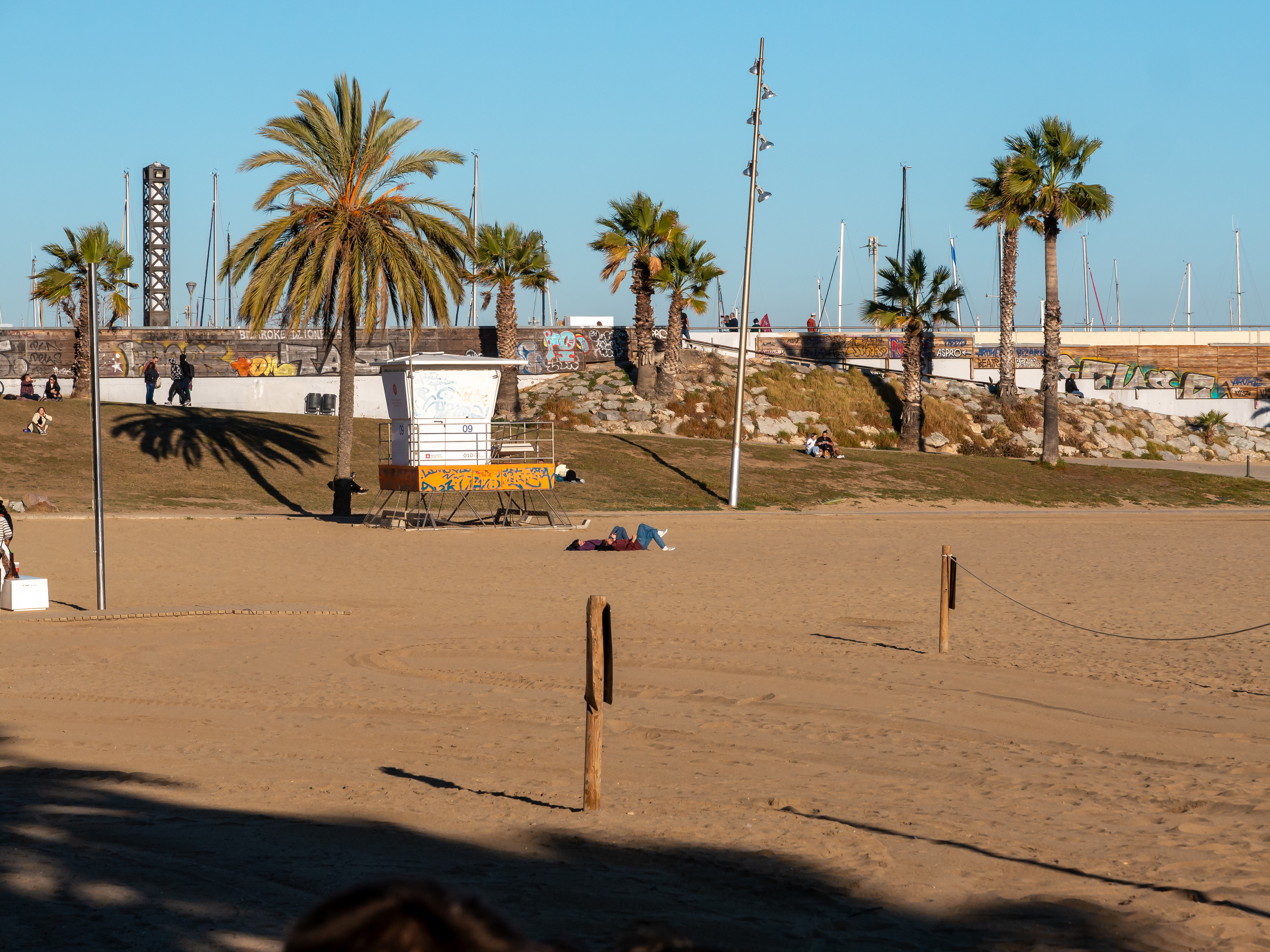
Why travelers pick Barcelona as a base
- Daily essentials are reachable without a car
- Climate supports outdoor routines most of the year
- Neighborhood choice meaningfully changes your experience
- Strong food scene across price points
- Good regional connectivity for weekend rail/air trips
Top 10 Things to Do
- Walk Eixample’s grid and identify your most livable blocks.
- Sunrise or sunset at Barceloneta promenade on a normal weekday.
- Parc Güell viewpoints for city orientation (book timed entry).
- Bunkers del Carmel for a no-frills skyline overview.
- Gothic Quarter side streets early morning before crowds build.
- Montjuïc cable car + viewpoints for a half-day reset.
- Mercat de Sant Antoni or La Boqueria with a weekday strategy.
- Poblenou rambla + beach corridor for work/life balance scouting.
- Sagrada Família exterior + neighborhood walk (not just a quick photo stop).
- Day trip by rail (Girona, Sitges, Tarragona) when city pace feels intense.
Local Food & Drink
- menú del día lunches for value and consistency
- grilled seafood + rice dishes in neighborhood spots (not only waterfront strips)
- vermut culture in late afternoon
- specialty coffee is improving, but quality is neighborhood-dependent
Budget reality (solo, monthly)
- Value-focused: ~€1,700–2,400
- Moderate comfort: ~€2,500–3,600
- High comfort / premium zones: €3,700+
Biggest swing factor is short-term rent in popular districts.
Getting Around (without wasting time)
- TMB metro + bus network handles most daily movement efficiently.
- Walkability is excellent in Eixample, Gràcia, and parts of Sant Antoni.
- If staying 3+ weeks, optimize for home-to-workspace route first, attractions second.
- Use bike lanes only if you’re comfortable with mixed urban flow.
Where to Stay by Travel Style
- Eixample: practical all-rounder for first stays
- Gràcia: more local rhythm, lower tourist pressure
- Poblenou: beach-adjacent, modern housing stock, startup feel
- El Born / Gothic: high atmosphere, more noise tradeoffs
Common Mistakes
- Choosing location by landmarks instead of daily route quality.
- Underestimating summer heat + tourist-density fatigue.
- Booking apartments without checking street-noise patterns.
- Assuming every cafe is laptop-friendly for long sessions.
- Overplanning “must-sees” and underplanning normal weekdays.
If you’re choosing Barcelona vs Paris for remote work
Barcelona often wins on climate and lower monthly burn. Paris often wins on network density and big-city depth. The right move is to test your daily routine in each before committing long-term.
Related guide:
Photo credits
-
Barcelona Skyline — SGDWN via Wikimedia Commons, license CC BY-SA 4.0.
-
Beach, Barcelona (P1170712) — Matti Blume via Wikimedia Commons, license CC BY-SA.

.jpg)